

|
|
| Home |
What is O·M·N·I? | Features | Downloads | Connect |
Help |
Legal Notice |

Preserving a little piece of the 1990s online worldLong before social media, smartphones, and the modern Web became part of everyday life, thousands of people went online by dialing directly into Bulletin Board Systems, or BBSes.Most BBS software of the era was text-based. O·M·N·I was different. Developed by Copsey Strain, Inc. of Sauk Rapids, Minnesota, O·M·N·I was a graphical, Windows-based BBS system that combined many of the things people went online for, like electronic mail, message areas, file libraries, chat, games and other online services, all inside a graphical environment. Rather than communicating with the system through an ordinary text terminal, callers could use O·M·N·I Term, its custom Windows client. For the mid-1990s, it was an ambitious idea that an online community with a graphical interface could hosted on an ordinary personal computer and accessible by modem or over the Internet. O·M·N·I was commercial software during the 1990s. Contemporary material shows Copsey Strain selling the Professional Edition for hundreds of dollars and supplying registered users with personalized serial numbers. By 2001, however, contemporary BBS reporting described Copsey Strain as having stopped development and released the 16-node Professional version as freeware. Copsey Strain’s own surviving website continued to describe O·M·N·I as its original 16-bit Windows-based BBS. Eventually, the company and its website disappeared, and O·M·N·I largely disappeared with them. 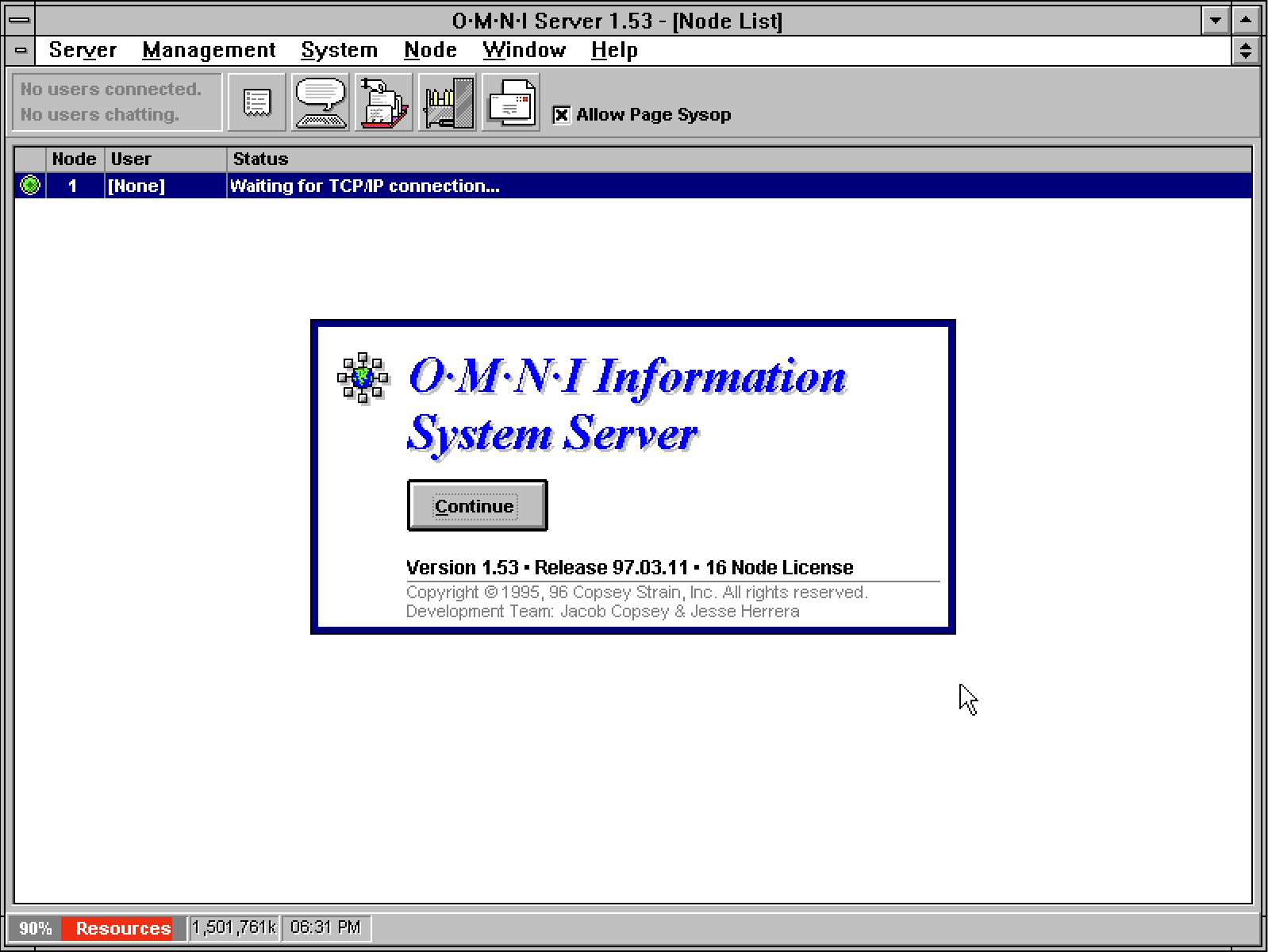 Why preserve it?Software has an unusual way of vanishing.A book can sit untouched on a shelf for a hundred years and still be opened. Software depends upon operating systems, hardware, installation media, registration systems, documentation, supporting components, and sometimes knowledge that existed only in the minds of the people who created it. O·M·N·I is particularly vulnerable because it belongs to an era of computing that modern computers no longer natively support. It is a 16-bit Windows application designed for operating systems and networking environments that disappeared decades ago. The O·M·N·I Preservation Project is an independent effort to collect, document, understand and preserve as much of O·M·N·I as possible before the remaining pieces disappear. That includes preserving original installation files and documentation, identifying the software components needed to make O·M·N·I operate, documenting its different versions and editions, reconstructing knowledge about its installation and registration systems, researching the history of Copsey Strain and O·M·N·I, and ultimately attempting to put an authentic O·M·N·I BBS back online. This project is not affiliated with Copsey Strain, Inc. or the original developers of O·M·N·I. 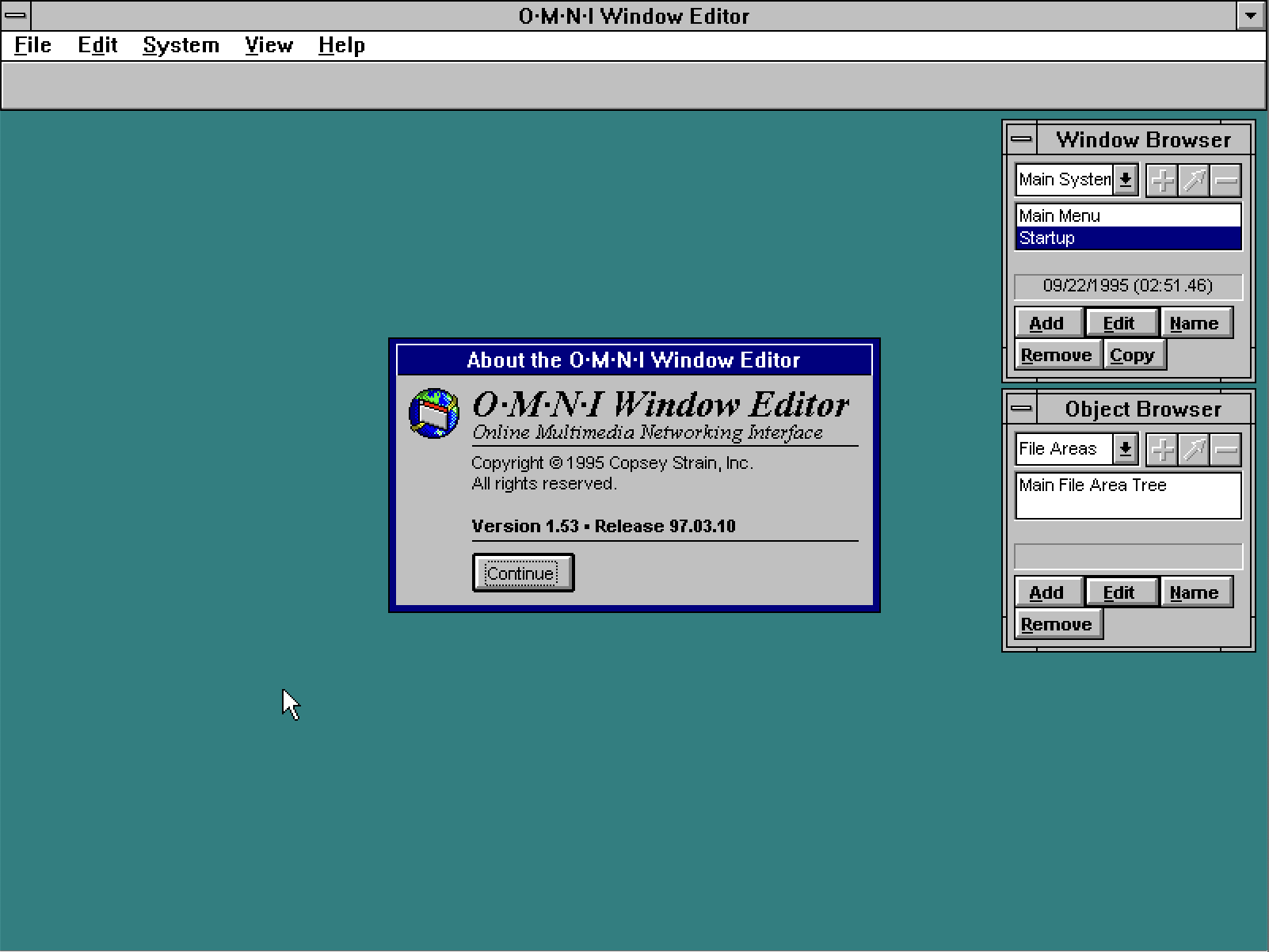 Searching for the people behind O·M·N·IOne of the goals of this project has been to find the people who originally created O·M·N·I.That has proven considerably more difficult than simply finding an old piece of software. We’ve searched surviving websites and Internet Archive captures, old BBS material, Usenet postings, software archives, corporate records and other traces left behind from O·M·N·I’s commercial life. We’ve researched Copsey Strain, Inc., including its corporate history in Minnesota, and have attempted to determine what ultimately happened to the company and who, if anyone, may have inherited its intellectual property. We’ve also tried to locate and contact people associated with Copsey Strain and O·M·N·I in hopes that someone might still have original source code, development materials, documentation, or simply memories of how the software came to be. So far, those efforts have not produced the original source code or contact with an original developer who could provide it. That has forced the preservation effort to take a considerably more difficult route. 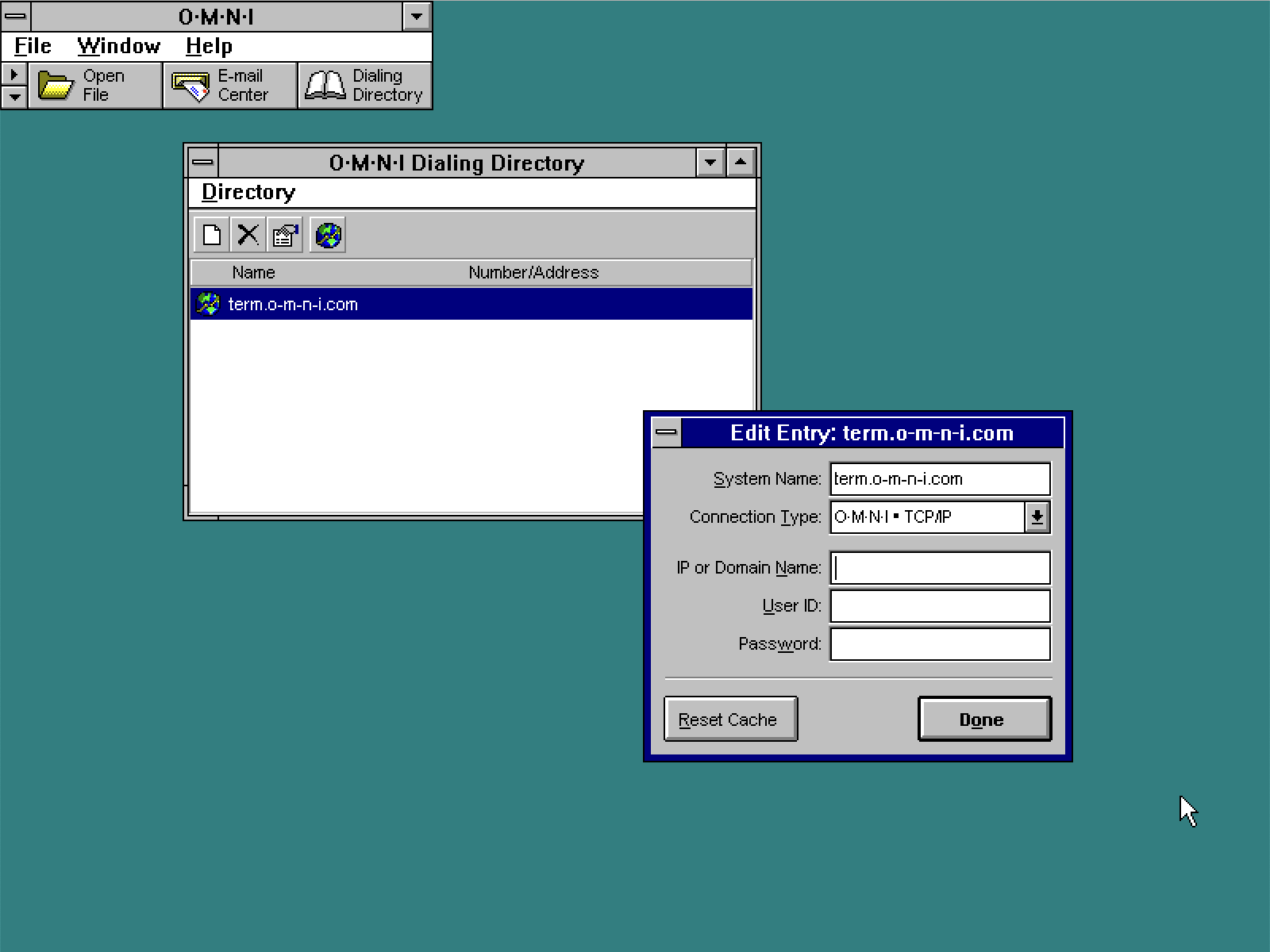 Reconstructing what was lostRather than having O·M·N·I’s original source code, we’re working largely from the artifacts that survived: compiled programs, installation packages, documentation, archived websites, and other material left behind.That has occasionally required some software archaeology. For example, O·M·N·I’s surviving registration utility was written using Microsoft Visual Basic 3.0. Recovering its operation meant recreating an appropriate period Windows environment, locating obsolete Visual Basic components and custom controls, examining the compiled program and reconstructing portions of its registration logic. That work eventually allowed us to understand how O·M·N·I’s two-part registration codes were created and validated, and to reproduce valid registration information accepted by the original software. The purpose isn’t to modernize O·M·N·I into something it never was. Quite the opposite. The goal is to understand how the original software actually worked and preserve enough of that knowledge that someone years from now can still install it, run it and experience it. 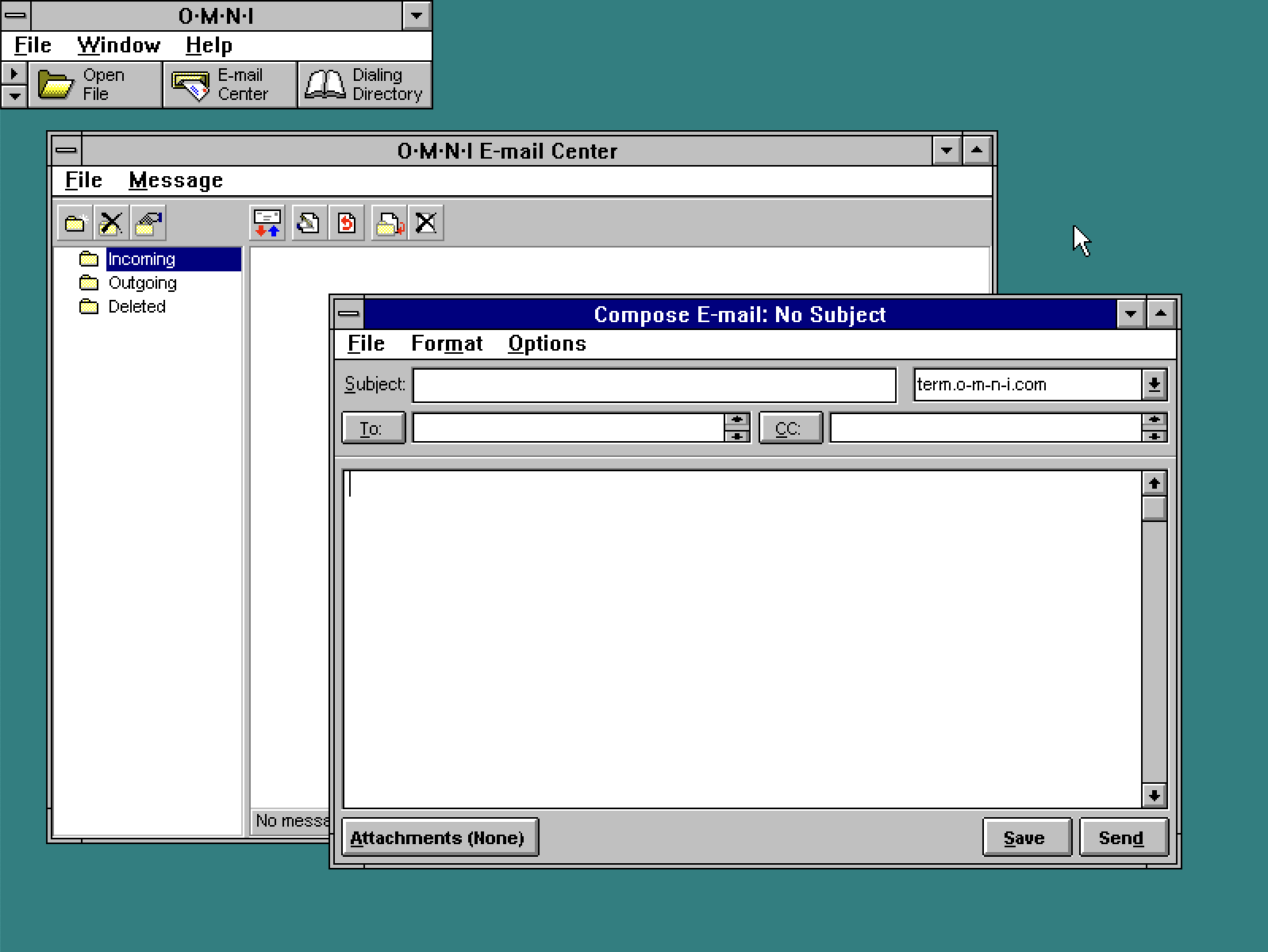 O·M·N·I became freewareAn especially important part of the surviving historical record is Copsey Strain’s decision to make O·M·N·I available free of charge.The company didn’t merely abandon the software and leave users to figure out how to activate it. Copsey Strain publicly distributed registration information that allowed users to activate the free release. It also offered a free registration process for the Designer Edition. Those original web pages have since disappeared from the live Internet, but archived copies survive. Preserving those pages, along with the software itself, is part of this project. They establish the circumstances under which the final O·M·N·I releases were made available and help distinguish this project from simply distributing an unauthorized copy of old commercial software. 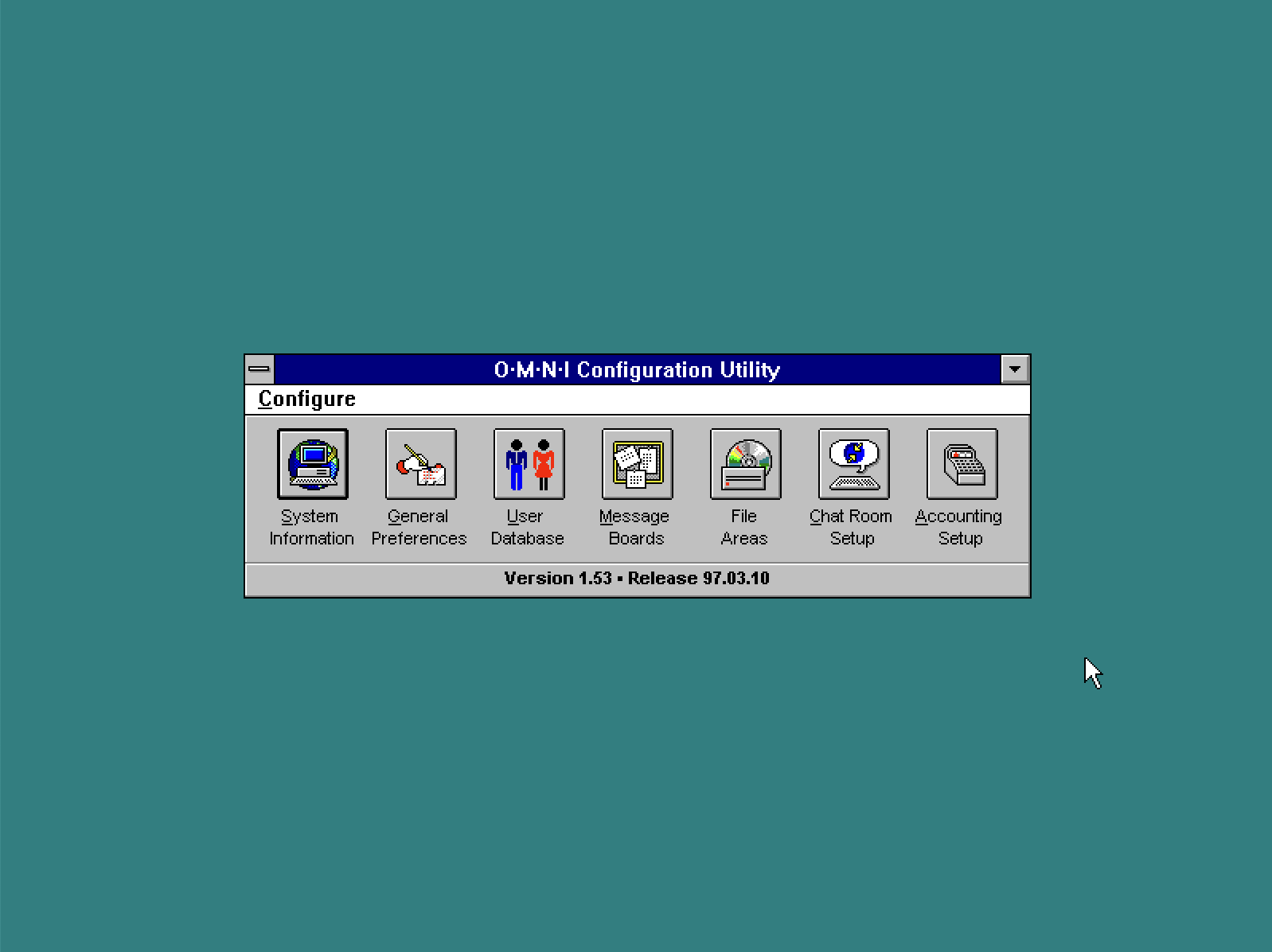 The ultimate goalWe don’t want O·M·N·I to survive merely as a ZIP file sitting on an archive somewhere.We want it to run again. The long-term goal of the O·M·N·I Preservation Project is to operate a restored O·M·N·I BBS using period-correct software while carefully bridging it to the modern Internet. Someday, we’d like someone to be able to connect to an O·M·N·I system again, launch O·M·N·I Term, and experience this unusual little corner of 1990s online life for themselves. Until then, we’re collecting what remains, documenting what we discover, and trying to solve the pieces of the puzzle that have been lost over the last three decades. 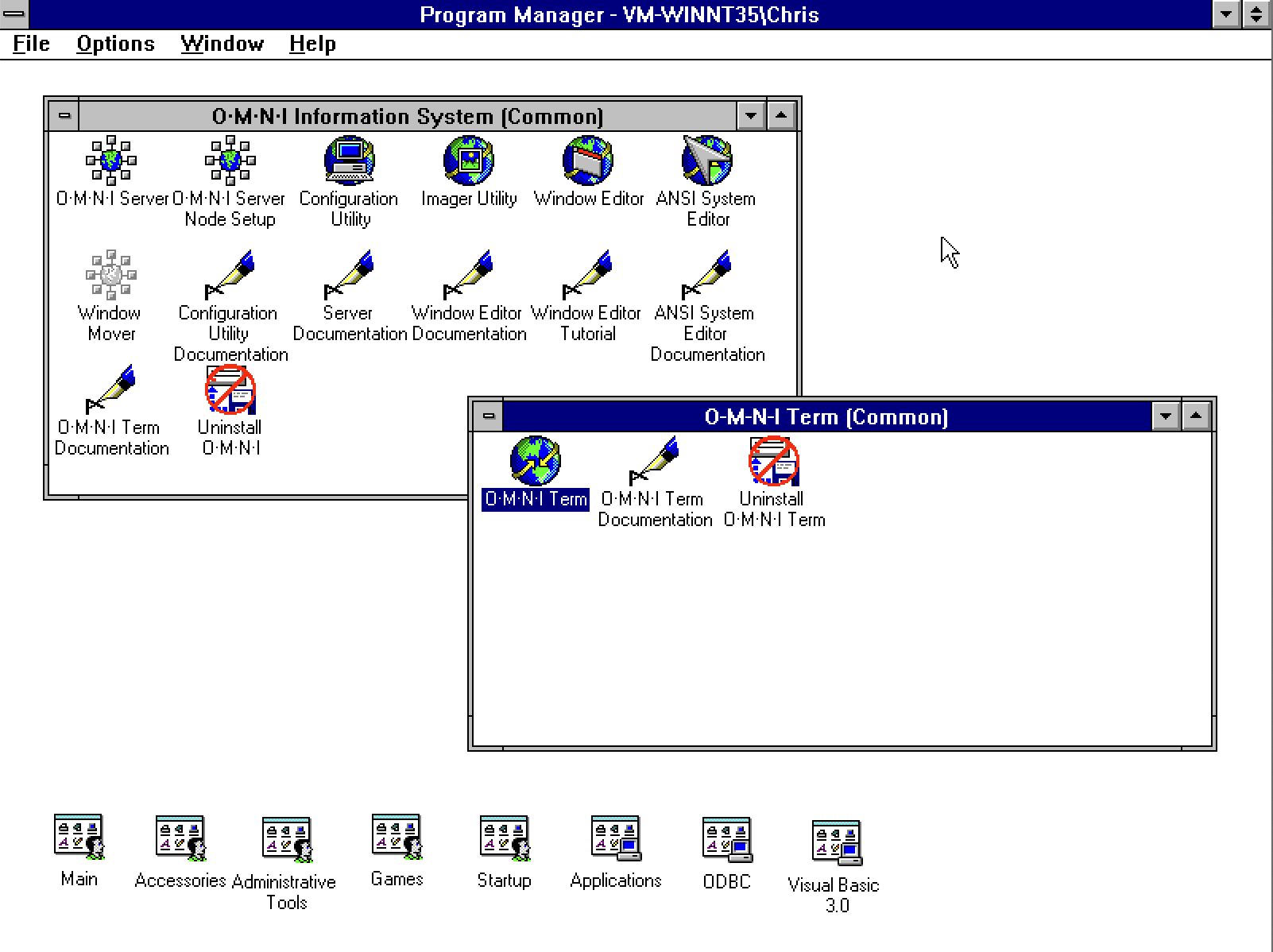 Were you there? If you used O·M·N·I, operated an
O·M·N·I BBS, worked with Copsey Strain, developed
software or content for O·M·N·I, ran an O·M·N·I
support site, or simply have old disks, manuals,
screenshots, registration material or other files
tucked away somewhere, we would very much like to hear
from you.
And if you were involved in the development of O·M·N·I itself, we’d especially like to talk. Even something that seems insignificant, like a disk, an old e-mail, a manual, a screenshot, a recollection of how a feature worked, may fill in another missing piece of O·M·N·I’s history. Old software survives because somebody decides it’s worth remembering. That’s what this project is here to do. If you have any information to share, please get in touch with us at sysop [at] o-m-n-i [dot] com. |
